In summary:
- Elevate terracotta by treating it as a matte canvas for contrasting textures like velvet and linen, a concept we call textural alchemy.
- Choose a specific color palette—like sage green for organic warmth or dusty blue for Mediterranean romance—to define the mood.
- Always address the practicalities: calculate pot weights for table safety, seal pots to prevent stains, and plan for post-wedding resale or gifting.
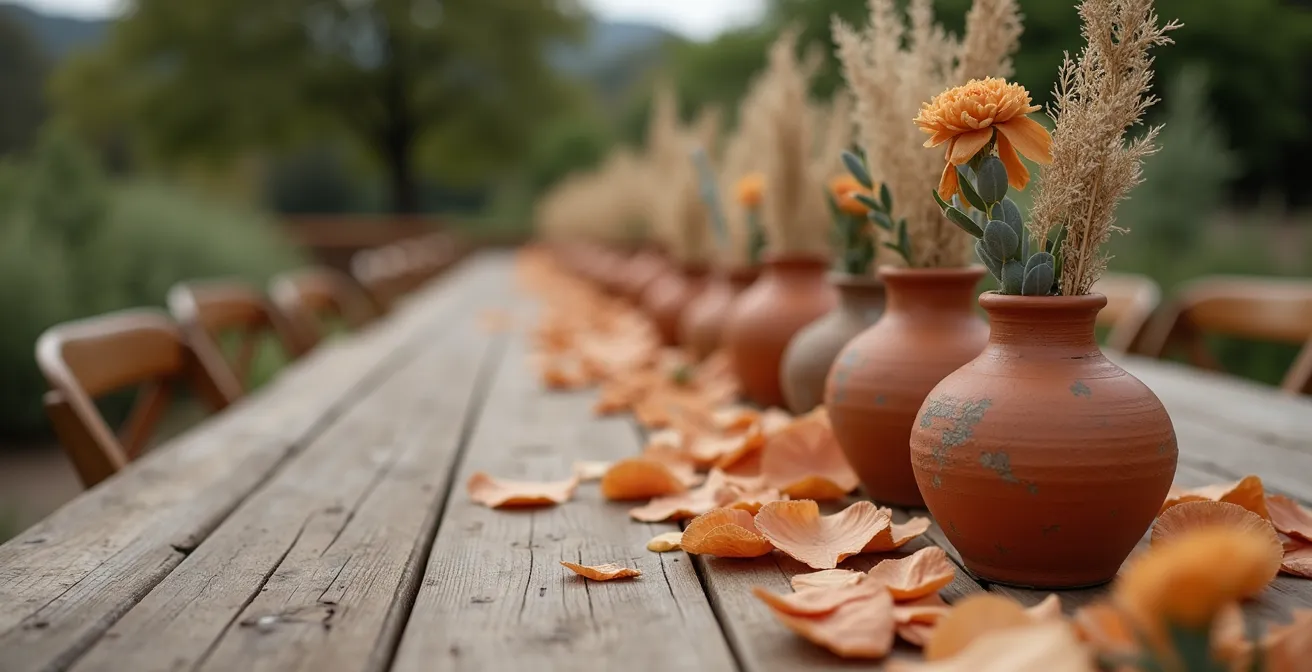
- Style reclaimed wood tables with a “runner” of clustered terracotta pots in varied sizes to create visual interest without tablecloths.
There’s a quiet fear that haunts couples drawn to the warm, sun-baked allure of terracotta: the “garden center” effect. You envision an elegant, earthy tablescape reminiscent of a Tuscan villa or a desert sunset, but worry it will end up looking like a patio display. The common advice is to lean into a “boho” or “rustic” theme, but this often just reinforces the problem, leaving you with a look that feels more casual than chic. It’s easy to think the solution lies in adding more rustic elements, like burlap or twine, but this can muddy the aesthetic.
What if the secret to unlocking terracotta’s sophisticated potential isn’t about leaning into its rustic nature, but by using it as a deliberate, grounding counterpoint? The key is not to simply place pots on a table, but to practice a form of textural alchemy. By treating the raw, matte surface of the clay as a foundational canvas, you can amplify the luxury of contrasting materials like velvet, the coolness of linen, and the vibrancy of strategic color pairings. This approach transforms terracotta from a simple decorative item into the anchor of a deeply intentional and elegant design.
This guide will walk you through the practical and aesthetic principles of this philosophy. We will explore the critical structural limits, delve into color theory, master the art of textural contrast, and even cover the essential logistics that ensure your design is both beautiful and flawlessly executed from start to finish. Get ready to see terracotta in a whole new light.
Summary: A Guide to Elevating Terracotta Wedding Decor
- Structural limits: why you can’t put heavy terracotta pots on every rental table?
- Sage Green vs. Dusty Blue: which color best complements terracotta orange?
- Sealing pots: ensuring porous clay doesn’t stain your expensive tablecloths
- Can you mix rough clay with soft velvet without a texture clash?
- The logistics of reselling 50 clay pots after the wedding
- How to clean rented farm tables so they don’t feel sticky or dusty?
- Live moss vs. Preserved: which smells better and creates less mess?
- How to Style Reclaimed Wood Tables Without Needing Tablecloths?
Structural Limits: Why You Can’t Put Heavy Terracotta Pots on Every Rental Table?
Before you fall in love with the idea of large, statement terracotta pots, it’s crucial to ground your vision in the laws of physics. The most common rental tables, particularly wooden trestle or farm tables, have weight limits that can be surprisingly easy to exceed. While a standard wooden table can hold between 200-300 pounds when the load is evenly distributed, concentrating that weight in a few centerpiece locations changes the entire equation. A single heavy pot can create a pressure point that risks bowing, or in a worst-case scenario, damaging the table.
The weight of a terracotta pot is deceptive. An empty 8-inch pot might only weigh 3-5 pounds, but its filled weight is what truly matters. According to supplier specifications from Jamali Garden, that same pot can easily reach 15-20 pounds once it’s filled with wet soil and plant material. If you plan for five such centerpieces on a standard 8-foot table, you’re adding up to 100 pounds of concentrated weight, not including dinnerware, glassware, and resting elbows. This calculation is vital for ensuring the safety and stability of your setup.
To avoid any day-of disasters, always ask your rental company for the specific weight capacity of their tables. As a rule of thumb, use a mix of larger pots on more stable surfaces (like a welcome table or bar) and reserve smaller, lighter vessels for guest tables. This strategic distribution ensures you get the visual impact of terracotta without compromising structural integrity.
Sage Green vs. Dusty Blue: Which Color Best Complements Terracotta Orange?
Once you’ve handled the logistics, the fun begins with color. Terracotta’s warm, earthy orange is a powerful base, and the color you pair it with will fundamentally define your wedding’s atmosphere. The two most sophisticated choices are sage green and dusty blue, each creating a distinct yet equally stunning mood. Your decision between them will set the tone for everything from florals to linens.
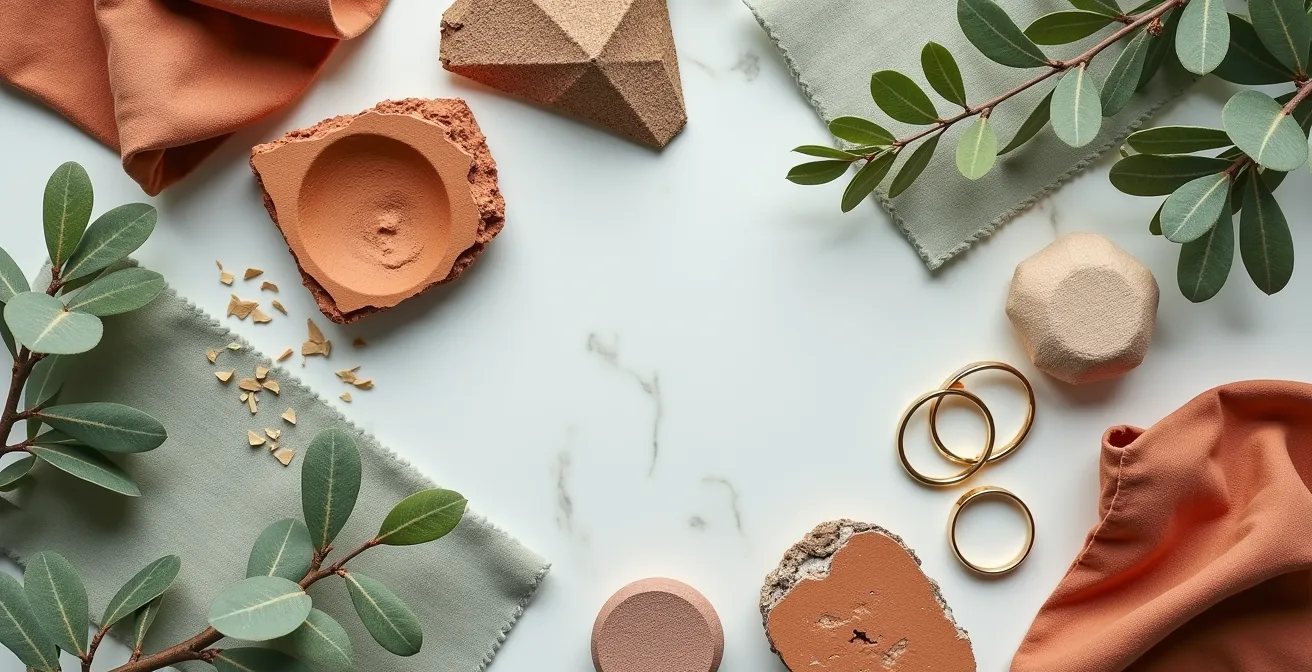
Sage green creates a natural, organic, and tranquil feeling. This pairing evokes the rolling hills of Tuscany or a sun-drenched countryside. The muted green has a shared earthy undertone with terracotta, resulting in a harmonious and grounded palette. It’s particularly beautiful in autumn, as it amplifies the natural warmth of the season. To complete this look, incorporate accents of brass, copper, and natural wood for a cohesive, rustic-chic aesthetic.
This flatlay beautifully captures the synergy between raw terracotta and the soft, cool tones of sage green, accented by natural foliage and brass details.
Dusty blue, on the other hand, offers a romantic and ethereal contrast. This pairing is reminiscent of an Aegean coastal sunset, where the warm earth meets the cool sea and sky. The coolness of the blue makes the terracotta’s warmth pop, creating a dynamic, high-contrast palette that feels both fresh and sophisticated. This combination is ideal for summer weddings and pairs exceptionally well with elegant accents like gold, champagne, and crisp white.
This table breaks down the decision, helping you align your color choice with your overall wedding vision. According to an analysis by Daisy Sage Wedding Design, the choice hinges on the mood you wish to create.
| Aspect | Terracotta + Sage Green | Terracotta + Dusty Blue |
|---|---|---|
| Overall Mood | Natural, organic, countryside charm | Romantic, ethereal, Mediterranean |
| Best Season | Autumn (amplifies warmth) | Summer (adds freshness) |
| Complementary Accents | Brass, copper, natural wood | Gold, champagne, white |
| Style Match | Tuscan, rustic, bohemian | Aegean coastal, modern romantic |
| Visual Temperature | Warm and grounded | Balanced cool-warm contrast |
Sealing Pots: Ensuring Porous Clay Doesn’t Stain Your Expensive Tablecloths
One of the most overlooked details when working with terracotta is its porosity. Unglazed clay acts like a sponge, absorbing water and then slowly leaching it out, along with fine mineral dust. If placed directly on an expensive linen or velvet tablecloth, a watered plant in an unsealed pot will inevitably leave a damp, discolored ring. This small oversight can lead to costly cleaning fees or permanent damage, so sealing your pots is a non-negotiable step for a professional finish.
You have several options for sealing, depending on the desired look. For a finish that remains true to the material, a matte polyurethane sealant is your best choice. Applying two thin coats with a brush will make the pot water-resistant without adding an obvious sheen. For a quicker application and a slight luster, a clear acrylic spray sealant works well. For a more decorative touch, you can use a gold or copper leaf sealant, which both protects the pot and adds a metallic accent that can tie into your overall design scheme.
However, the most foolproof method, often used by professional florists, is the “double-potting” technique. This involves using the terracotta pot as a decorative outer shell, or a ‘cachepot’. You simply place your plant in a slightly smaller, waterproof plastic liner or pot that fits snugly inside the terracotta. This creates a physical barrier, offering a zero-leak guarantee and making it effortless to water live plants without creating a mess. This technique is particularly effective for wedding centerpieces where any risk of water damage must be eliminated.
Can You Mix Rough Clay with Soft Velvet Without a Texture Clash?
The idea of pairing rough, earthy terracotta with plush, luxurious velvet might seem like a contradiction. However, this is precisely where the magic of “textural alchemy” lies. Instead of clashing, these opposing textures create a dynamic contrast that elevates both materials. The key is not to avoid the contrast, but to embrace and balance it intentionally. Far from clashing, the juxtaposition of rough and soft creates a sensory-rich experience that is visually captivating and sophisticated.
The success of this pairing is rooted in how the materials interact with light. As the design experts at Whimsical Wonderland Weddings explain, this contrast is a powerful tool:
The matte, light-absorbing surface of terracotta makes adjacent textures with a sheen (like velvet or silk) appear more luminous and luxurious in photos, turning a potential clash into a dynamic contrast
– Whimsical Wonderland Weddings, Cosy & Modern Candlelit Terracotta Wedding Ideas
This interaction is what prevents the combination from feeling jarring. The terracotta acts as a grounding, matte canvas that absorbs light, allowing the subtle sheen of the velvet to truly shine. It makes the velvet appear richer and more decadent than it would on its own. This visual dialogue between humble clay and noble fabric is the essence of a high-end, earthy aesthetic.
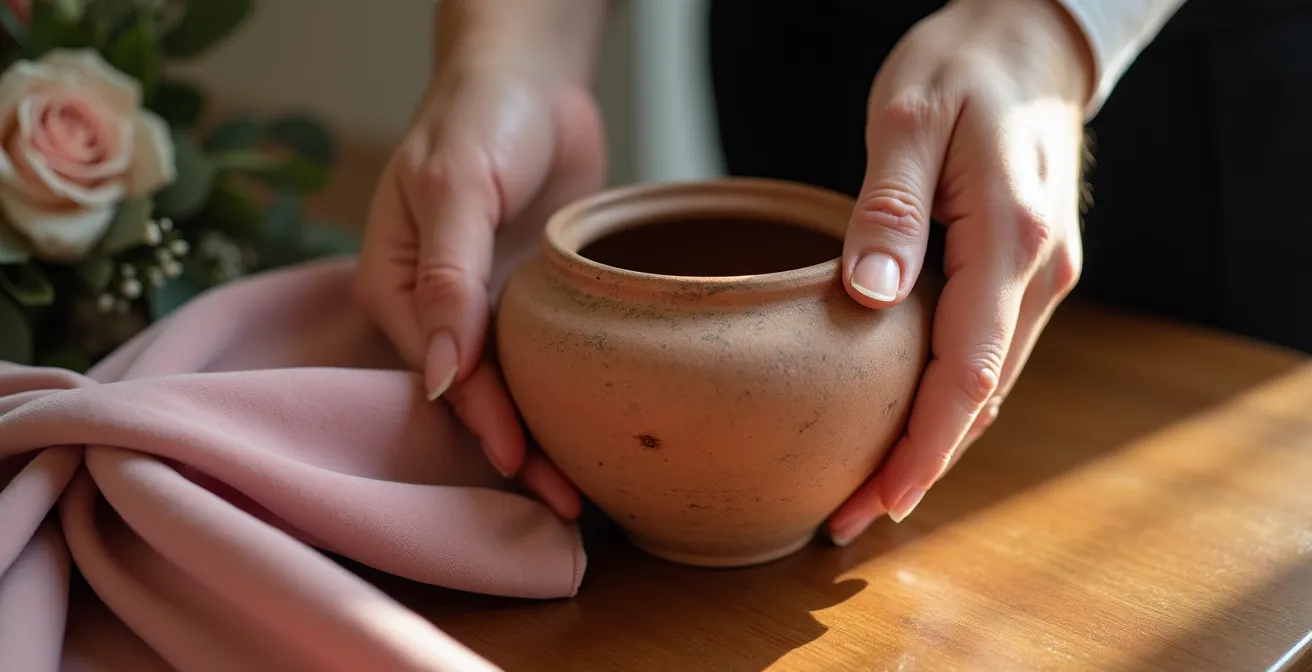
The tactile contrast between the cool, rough surface of a terracotta pot and the soft, plush feel of a velvet ribbon is a perfect example of this dynamic pairing.
To master this look, you need a clear plan. It’s not about randomly throwing textures together, but about building a balanced palette where each material has a purpose.
Your Action Plan: Creating a Balanced Texture Palette
- Define Base Textures: Establish terracotta (rough matte) as your foundational anchor for the entire design.
- Add a Bridging Material: Introduce a semi-matte woven linen or raw silk as a transitional texture to soften the leap from rough to plush.
- Introduce Velvet in Small Doses: Use velvet for high-impact accents like napkin rings or ribbons, rather than overwhelming the table with full velvet runners.
- Vary the Scale: Juxtapose large, rough pots with small, delicate velvet details to create a pleasing visual rhythm.
- Add a Fourth Texture for Complexity: Incorporate elements like tumbled glass or reclaimed wood to add another layer of interest and maintain balance.
The Logistics of Reselling 50 Clay Pots After the Wedding
After the celebration ends, you may find yourself with dozens of beautiful terracotta pots. While they are a sustainable decor choice, their bulk and weight can create a storage headache. Planning for their afterlife before the wedding is a smart logistical move that can help you recoup some costs and avoid clutter. The key to a successful resale is treating it like a small business transaction: presentation and platform are everything.
To create an appealing resale listing, you should:
- Use professional photos: Don’t just show a pile of pots. Use the stunning photos from your wedding that show the pots styled in action. This helps potential buyers visualize their own event.
- Write a clear description: State the exact dimensions, quantity, and condition (e.g., “50 pots, 6-inch diameter, all sealed with matte finish”).
- Price strategically: A good starting point is offering a bulk set for 40-50% of the original retail price. This is attractive for another couple planning on a large scale.
- Choose the right platform: List them on local platforms like Facebook Marketplace, especially in dedicated wedding resale groups, where you’ll find a highly motivated audience.
However, an even more elegant solution is to eliminate the need for resale altogether. Consider a dual-purpose strategy where the pots serve as both centerpiece elements and guest favors. Small 2-3 inch pots filled with succulents, herbs, or miniature orchids look beautiful clustered on tables. At the end of the night, an announcement can be made for each guest to take one home. This approach not only delights your guests with a living memento but also completely resolves your post-wedding storage and logistics problem. It’s a thoughtful touch that embodies a spirit of generosity and sustainability.
How to Clean Rented Farm Tables so They Don’t Feel Sticky or Dusty?
Using reclaimed wood farm tables is a beautiful way to enhance an earthy aesthetic, but they come with a unique challenge when paired with terracotta: dust. Fine terracotta dust from unsealed or handled pots can quickly settle into the grain of the wood, creating a fine layer of grit that feels unpleasant to the touch. Likewise, minor spills or condensation from glasses can leave sticky rings. A quick wipe with a wet cloth often just pushes the dust around or isn’t enough for sticky spots, so a proper cleaning method is essential.
The best solution is a gentle, natural cleaning formula that cleans without stripping the wood’s finish. You can easily make this yourself. Simply mix one part white vinegar with three parts warm water, and add a tablespoon of olive oil. The vinegar works to cut through any stickiness, while the olive oil helps to condition the wood and restore its natural sheen. It’s a simple but highly effective combination.
On the day of the wedding, your planner or a designated helper should have a “day-of touch-up kit” ready. This should include:
- A soft brush to gently sweep away any loose dust from the wood grain before wiping.
- A spray bottle with your vinegar and oil solution.
- Several clean microfiber cloths for applying the solution and buffing dry.
- A small amount of mineral oil for treating any stubborn sticky spots with gentle rubbing.
This preparation ensures that your tables look and feel impeccable right before guests are seated, preserving the high-end feel of your decor.
Live Moss vs. Preserved: Which Smells Better and Creates Less Mess?
To add a touch of lush greenery and cover the soil in your terracotta pots, moss is an excellent choice. But this leads to a new decision: should you use live moss or preserved moss? The choice impacts the scent, potential for mess, and overall feel of your arrangements. Both have their place, but understanding their distinct characteristics is key to making the right decision for your event.
Live moss offers an authentic, multi-sensory experience. When lightly misted, it releases a beautiful, earthy ‘petrichor’ scent—the smell of rain on dry earth—that perfectly complements the mineral smell of terracotta. It provides a lush, vibrant look that is undeniably real. The primary risk with live moss is water; it needs moisture, which can stain wood tables or terracotta itself if not contained. This is best mitigated by using the double-potting technique with waterproof liners. Florists often use live sheet moss as a “living mulch,” which helps retain soil moisture and creates a beautifully finished look.
Preserved moss, on the other hand, is completely dry and requires no water, eliminating the risk of water stains. However, it can be brittle and create a different kind of mess: fine, dry crumbles that can get onto fabrics and sometimes stain. It may also have a faint chemical odor from the preservation process, though this usually dissipates. Its main advantage is stability; it’s a permanent decorative object that requires no care. It’s best used for arrangements assembled off-site or in installations where its dryness is a benefit.
This comparison, based on advice from floral suppliers like the experts at Flower Moxie, clarifies the trade-offs between the two options.
| Factor | Live Moss | Preserved Moss |
|---|---|---|
| Scent | Earthy ‘petrichor’ when misted | Chemical odor from preservation |
| Mess Risk | Water stains on wood/terracotta | Dry crumbles that stain fabrics |
| Mitigation | Use sealed pots/saucers | Assemble arrangements off-site |
| Longevity | Can be replanted post-wedding | Permanent decorative object |
| Best Use | Top-dressing in pots, living mulch | Permanent installations, wall art |
Key takeaways
- Terracotta’s sophistication comes from contrast; pair its rough, matte surface with smooth, lustrous textures like velvet and silk.
- Practicality is paramount. Always account for the final, filled weight of pots and seal them to prevent water damage to linens.
- Your color palette sets the mood. Use sage green for earthy warmth or dusty blue for romantic, high-contrast elegance.
How to Style Reclaimed Wood Tables Without Needing Tablecloths?
When you have beautiful reclaimed wood tables, the last thing you want to do is hide them under a tablecloth. The goal is to complement the wood’s character, not conceal it. A brilliant way to do this with terracotta is to create a “runner effect” using a dense clustering of pots down the center of the table. This technique creates a strong visual line and a sense of abundance while still allowing the natural beauty of the wood grain to shine through.
The key to this look is variation. Source terracotta pots in a wide range of sizes, from small 2-inch vessels to taller 8-inch ones. Look for aged pots with natural patina, moss, or lime-washing, as their weathered imperfections will echo the knots and grain of the reclaimed wood, creating a cohesive and authentic look. Arrange them in dense, organic clusters down the length of the table, varying the heights to create visual interest and rhythm. You can use these clusters to “zone” the table, creating dedicated areas for florals, candles, or table numbers.
To ensure the look feels chic and not cluttered, it’s essential to create contrast and leave negative space. Pair the earthy tones of the wood and clay with high-contrast elements like crisp white plates and bright green foliage. Most importantly, allow about 30% of the wood surface to remain visible between the clusters. This “breathing room” is crucial; it showcases the table itself and prevents the tablescape from feeling heavy. The result is a design that feels integrated, intentional, and deeply connected to its materials.
By embracing these principles of textural alchemy, practical logistics, and intentional styling, you can confidently use terracotta to create a wedding aesthetic that is not only earthy and warm but also undeniably elegant and sophisticated. Now, begin gathering your materials and start experimenting with these combinations to create a tablescape that is uniquely yours.