Wedding Themes & Styles
Choosing a wedding theme is like selecting the soundtrack for your love story—it sets the emotional tone and creates a cohesive experience that resonates with you and your guests. Yet many couples find themselves overwhelmed by the sheer volume of aesthetic choices available, from minimalist modern elegance to opulent vintage glamour. The difference between a wedding that feels authentically “you” and one that feels like a generic event often comes down to understanding the fundamental principles of style, balance, and intentional design.
This comprehensive resource explores the essential elements of wedding themes and styles, helping you navigate aesthetic decisions with confidence. Whether you’re drawn to the clean lines of contemporary design or the romantic details of historical eras, understanding how different style elements work together will empower you to create a celebration that feels both cohesive and personal.
Defining Your Wedding Vision: From Inspiration to Execution
Before diving into specific aesthetic choices, establishing a clear visual direction prevents the common pitfall of accumulating beautiful but disconnected ideas. Think of your wedding vision as the foundation of a house—without it, even the most exquisite decorative elements won’t create structural integrity.
A moodboard serves as your visual compass, functioning not just as inspiration but as a decision-making tool. When you’re tempted by a gorgeous floral arrangement that doesn’t align with your established palette, or a rental piece that clashes with your overall aesthetic, your moodboard provides objective criteria for saying no. This discipline becomes invaluable when you’re making dozens of micro-decisions under time pressure.
Start by collecting images that evoke the feeling you want to create—not just wedding photos, but architecture, fashion, nature, and art. Look for patterns in your selections:
- Color harmonies that appear repeatedly (warm metallics versus cool silvers, jewel tones versus pastels)
- Textural preferences (sleek and polished versus rustic and organic)
- Spatial qualities (intimate and layered versus open and minimal)
- Era influences (mid-century modern, Victorian romance, contemporary minimalism)
These patterns reveal your authentic aesthetic preferences, which may differ from what you initially thought you wanted. One couple might discover they’re consistently drawn to clean geometric shapes and monochromatic palettes, while another realizes their heart belongs to layered vintage textiles and garden-gathered florals.
Understanding the Style Spectrum: Modern, Traditional, and Everything Between
The modern versus traditional distinction isn’t a binary choice but rather a spectrum with infinite positions between the poles. Understanding where your preferences naturally fall—and whether you want to stay in one zone or create intentional contrast—shapes every subsequent design decision.
Characteristics of Modern Wedding Aesthetics
Modern wedding design emphasizes clean lines, negative space, and edited compositions. Color palettes tend toward monochromatic or analogous schemes with strategic pops of contrast. Florals are architectural rather than romantic—think sculptural branches, single-variety installations, or graphic geometric arrangements. Materials lean toward glass, acrylic, metal, and concrete rather than wood and fabric.
The appeal of modern design lies in its visual breathing room. Like a gallery space that lets each artwork shine, modern wedding design creates moments of focused attention rather than sensory abundance.
Traditional Wedding Design Principles
Traditional aesthetics embrace abundance, layering, and romantic detail. Think of it as the difference between a carefully curated capsule wardrobe and a vintage collector’s closet—both can be beautiful, but they create entirely different experiences. Traditional weddings feature lush floral arrangements, ornate details, rich fabrics like velvet and silk, and complex color palettes that create warmth through variety.
This approach works beautifully when executed with quality and restraint—the key word being “restraint.” Traditional doesn’t mean cluttered; it means thoughtfully abundant.
The Hybrid Approach: Mixing Eras and Aesthetics
Some of the most compelling wedding designs emerge from intentional style mixing. Combining vintage and modern shapes creates visual interest through contrast—perhaps sleek acrylic signage paired with antique brass candlesticks, or contemporary minimalist flatware on heirloom china. The trick is establishing which aesthetic serves as your foundation (typically 60-70% of design elements) and which provides accent notes (30-40%).
Without this intentional ratio, you risk creating visual confusion rather than dynamic tension. One couple might use a modern foundation—clean lines, minimal color palette—punctuated by traditional elements like a vintage cake stand or antique family furniture. Another might create a traditional base enriched by modern touches like geometric terrariums or abstract art installations.
Mastering Period Styles Without the Costume Effect
Era-specific wedding themes offer rich visual vocabularies, but they require careful execution to feel elegant rather than theatrical. The difference between sophisticated period styling and a costume party atmosphere comes down to selectivity and restraint.
The Art Deco Elegance Versus Gatsby Kitsch Distinction
Authentic Art Deco design features geometric patterns, luxurious materials, strong vertical lines, and a specific color palette of black, gold, cream, and jewel tones. True Art Deco is actually quite minimal—its luxury comes from quality of materials and precision of geometry, not quantity of decoration.
Gatsby-themed kitsch, by contrast, throws every 1920s reference into the mix: feather centerpieces, pearl strands on everything, and an overabundance of fringe and beading. The result feels like a theme party rather than an elegant celebration. To achieve authentic Art Deco elegance, choose three to four signature elements—perhaps geometric table numbers, a stunning Art Deco venue architecture, gold geometric chargers, and a simple but striking tiered cake with geometric piping—and execute them beautifully rather than incorporating every possible period reference.
Classic Era Styling With Contemporary Sensibility
Whether you’re drawn to Victorian romance, mid-century modern, or Edwardian garden parties, the key to avoiding costume territory is interpretation rather than replication. Think of it as being inspired by a period rather than recreating it.
Focus on the underlying design principles of your chosen era—the color theories, the spatial arrangements, the material palettes—rather than literal reproductions. A Victorian-inspired wedding might embrace the era’s love of botanical abundance and rich jewel tones while using contemporary floral design techniques and modern table shapes. The result honors the period aesthetic while remaining firmly grounded in the present.
Creating Personal Meaning Through Design Elements
The most memorable weddings balance aesthetic cohesion with personal significance. This is where design transcends decoration and becomes storytelling.
Incorporating family heirlooms into modern design requires thoughtful integration rather than obligation-driven display. An antique lace tablecloth might be professionally framed as escort card display backing, vintage brooches could be wired into a bridal bouquet, or grandmother’s china might serve dessert even if it doesn’t match your primary tablescape. The goal is honoring heritage while maintaining visual coherence.
Similarly, incorporating modern art elements for couples who value contemporary creativity can transform a reception into a gallery-inspired experience. This might mean featuring a live painter capturing the celebration, displaying meaningful abstract pieces that reflect your color palette, or using art books as table centerpieces with each table named for a favorite artist. These choices reveal your values and interests while contributing to the overall aesthetic rather than competing with it.
The Art of Visual Balance in Wedding Decor
One of the most overlooked principles in wedding design is the concept of negative space—the intentional emptiness that allows focal points to breathe and eyes to rest. Many couples fear empty space, equating it with incomplete design, but strategic restraint often creates more impact than abundant decoration.
The ratio of negative space to flowers varies dramatically based on your overall style. A modern minimalist wedding might feature a single sculptural arrangement on a long table with the rest of the surface bare except for place settings—perhaps 80% negative space to 20% floral. A romantic garden wedding might fill 60% of the surface with abundant blooms while leaving strategic gaps that prevent visual overwhelm.
Consider how restaurants create ambiance: a fine dining establishment uses spacious table settings with minimal centerpieces, allowing the food and conversation to star. A cozy bistro might feature more abundant table decoration but balances it with warm lighting and intimate spacing. Neither is wrong; they’re creating different experiences through spatial choices.
This principle extends beyond florals to overall venue design. Transforming an indoor venue to have a garden-like quality doesn’t mean filling every surface with greenery—it means strategically placing natural elements, using organic textures, incorporating natural light or warm lighting that mimics golden hour, and creating sightlines that emphasize natural focal points.
Strategic Design Choices for Maximum Impact
Creating a visually stunning wedding doesn’t require an unlimited budget—it requires understanding where investment creates the most dramatic impact and where restraint or creativity can substitute for expense.
Achieving an opulent luxury look on a mid-range budget centers on strategic splurges. Identify the three elements that most dramatically affect perceived quality—often lighting, linens, and one signature statement element—and invest disproportionately there while economizing elsewhere. Candlelight is far less expensive than elaborate floral centerpieces but creates equally dramatic ambiance. Upgrading basic rental chairs with luxurious chair pads and velvet ribbons costs a fraction of premium chair rentals but elevates the entire space.
Think of it like dressing for an important event: one perfect statement piece (a stunning jacket, exceptional shoes, a beautiful bag) elevates an entire outfit more effectively than multiple mediocre items. Similarly, one show-stopping element—perhaps a dramatic installation at your ceremony site, exceptional lighting design, or a stunning bar setup—creates a luxury impression that influences how guests perceive every other element.
Venue Transformation: Overcoming Generic Spaces
Many couples choose venues for practical reasons—capacity, location, amenities—only to face the challenge of personalizing spaces that feel generic or institutional. Understanding common pitfalls and transformation strategies turns these limitations into opportunities.
Avoiding the Gymnasium Syndrome
The risk of “gymnasium syndrome” affects any large, multipurpose space with high ceilings, institutional lighting, and impersonal architecture. The psychological effect is real: guests struggle to relax and celebrate in spaces that feel like cafeterias or conference centers rather than special-occasion venues.
Transformation requires addressing three key factors: scale, lighting, and architectural distraction. Large spaces need visual anchors that create intimacy—draping to lower perceived ceiling height, rugs or dance floor treatments to define zones, and strategic furniture groupings that break the room into human-scaled areas. Institutional lighting must be replaced or supplemented with warm, layered lighting. Distracting architectural elements (like basketball hoops or industrial ceiling features) need to either be camouflaged with fabric installations or incorporated as quirky character elements if your style is relaxed enough to carry it off.
Transforming Generic Hotel Ballrooms Into Unique Romantic Spaces
Hotel ballrooms present similar challenges with the added complexity of uniform, bland design intended to appeal to everyone and therefore memorable to no one. The advantage? They’re blank canvases.
Successful ballroom transformation focuses on disguising or replacing the generic elements guests notice most: basic chiavari chairs, standard hotel linens, fluorescent or harsh overhead lighting, and empty walls. Even modest budgets can upgrade these elements: adding chair cushions and creative signage, using colored lighting to transform white walls, creating a dramatic focal point like an impressive bar setup or lounge area that draws attention away from generic architecture, and incorporating vertical elements like tall centerpieces or standing floral installations that interrupt sightlines to institutional features.
The goal isn’t to completely hide the space—an impossible and expensive task—but to layer in enough personality that the generic elements recede into background while your intentional design choices command attention.
Choosing and executing a wedding theme is ultimately about understanding yourself, your partner, and the experience you want to create. By grasping these fundamental principles—visual cohesion, intentional style mixing, spatial balance, strategic investment, and venue transformation—you’re equipped to make confident design decisions that result in a celebration that feels both beautiful and authentically yours. Each choice, from the grandest installations to the smallest details, becomes an opportunity to tell your unique story.
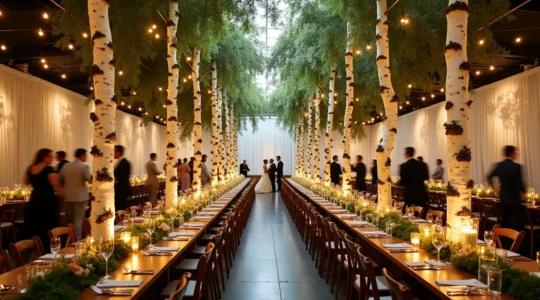
How to Bring the Outdoors In for a Garden-Like Wedding Inside?
The key to a successful indoor garden wedding isn’t just adding flowers; it’s creating a complete sensory illusion that convinces guests they are truly outdoors. Prioritize vertical elements like tall trees and light projections to fundamentally redefine the architecture of…
Read more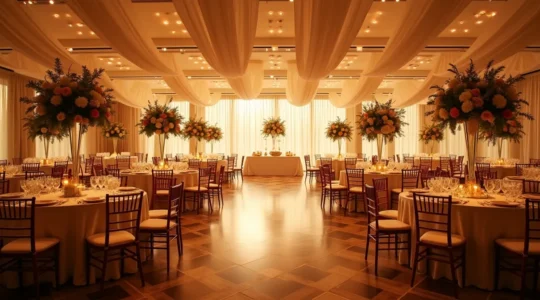
How to Transform a Generic Hotel Ballroom into a Unique Wedding Venue?
The secret to transforming a bland hotel ballroom isn’t just decoration; it’s architectural illusion. Instead of trying to cover flaws like ugly carpets, strategically draw the eye upward using vertical lighting and tall centerpieces. Swap out standard banquet chairs. As…
Read more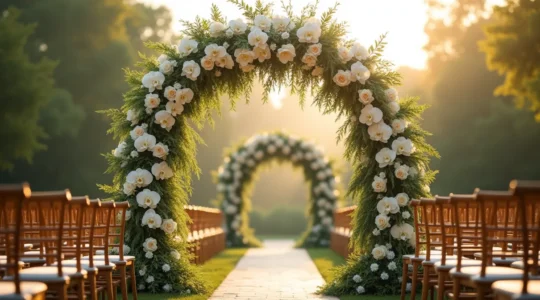
How to Fake Opulent Luxury on a Mid-Range Wedding Budget?
The secret to a “million-dollar look” wedding on a strict budget isn’t about spending more, but mastering ‘perceptual economics’ to manipulate focus and sensory input. Concentrate your budget on a few high-impact focal points that dominate guest photography and perception….
Read more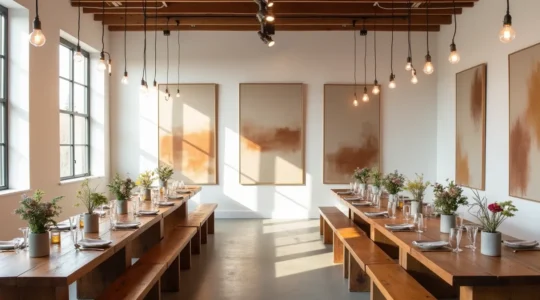
How to Style a Modern Art-Inspired Wedding That Feels Warm and Welcoming?
In summary: Treat your wedding design like a gallery exhibition, focusing on a central narrative and emotional journey for your guests. Prioritize structural art, sophisticated color theory, and dramatic lighting over excessive small decorations. Embrace “intentional void” or negative space…
Read more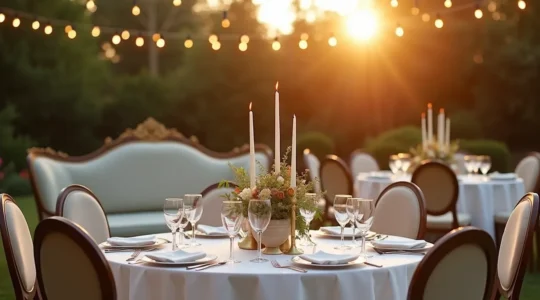
How to Style a Vintage Era Wedding Without It Looking Like a Costume Party?
The biggest fear when planning a vintage wedding is creating a theme party instead of a timeless event. True elegance comes from curation, not accumulation of old objects. Focus on high-impact ‘heirloom moments’ instead of total historical accuracy. Prioritize modern…
Read more