Blog
Planning a wedding involves far more than selecting pretty centerpieces and choosing a color palette. Behind every beautifully designed celebration lies a complex web of decisions that balance aesthetics, budget, logistics, and guest comfort. Understanding how these elements interconnect can transform your planning experience from overwhelming to empowering, helping you create an event that feels authentic rather than staged, memorable rather than exhausting.
This comprehensive resource explores the foundational aspects of wedding décor and design planning. From managing decision fatigue and avoiding common styling pitfalls to mastering timelines, budgets, and the often-overlooked logistics that make beautiful weddings possible, you’ll discover practical insights that bridge the gap between inspiration and execution.
Finding Balance in Wedding Design Aesthetics
One of the most common challenges couples face is determining how much is enough when it comes to décor. The abundance of inspiration available can paradoxically make it harder to develop a cohesive, authentic vision.
Avoiding Over-Styling and Theme Fatigue
When every element—from invitations to napkin rings—follows an overly rigid theme, the result can feel more like a theatrical performance than a personal celebration. Theme overload occurs when design choices prioritize visual coordination over genuine expression. For example, a couple passionate about travel might initially plan passport invitations, vintage suitcase card boxes, globe guest books, and map table runners. While each element works individually, together they can create sensory overstimulation for guests and feel forced rather than meaningful.
A more balanced approach involves selecting two or three signature elements that communicate your story, then allowing the rest of the design to complement rather than compete. Think of your theme as a whisper that runs through the event, not a shout from every corner.
The Authenticity Factor in Décor Choices
The psychological trap of over-staged romance—creating moments designed primarily for how they’ll appear in photos rather than how they’ll feel in person—has become increasingly prevalent. When design decisions are driven by what looks good on camera rather than what creates genuine connection, guests can sense the performative nature of the event.
Ask yourself whether each décor element serves the experience of being present at your wedding, or if it exists primarily for documentation. Authentic design choices resonate because they reflect real preferences, not curated aesthetics borrowed wholesale from inspiration boards.
Strategic Planning and Timeline Management
Beautiful wedding design doesn’t happen by accident—it requires careful coordination across multiple timelines. Understanding when to make specific decisions and book particular vendors can mean the difference between a smoothly executed vision and last-minute compromises.
Creating Your Design Timeline
The most successful wedding designs follow a design roadmap that sequences decisions logically. This approach helps combat decision fatigue by breaking the process into manageable phases:
- Establish your overall vision and non-negotiable elements (typically 9-12 months before)
- Book vendors whose availability is limited or who require extended lead times (8-10 months before)
- Order custom or personalized elements that require production time (5-7 months before)
- Finalize rental selections and quantities (3-4 months before)
- Confirm setup logistics and create detailed floor plans (6-8 weeks before)
This sequencing prevents the paralysis that occurs when couples try to decide everything simultaneously.
When to Book Vendors and Order Custom Elements
Different design elements have vastly different lead time requirements. Custom elements—whether signage, specialty linens, or commissioned art pieces—often need longer than anticipated. A hand-painted welcome sign might require four to six weeks once the design is approved, while custom-dyed silk ribbon can take eight weeks during peak season.
Similarly, specialized vendors like luxury rental companies, floral designers with limited capacity, or lighting technicians often book their calendars a year in advance for popular dates. The vendor booking timeline for design execution should prioritize those with the least flexibility first, then work backward to elements with shorter turnaround times.
Logistics Windows and Setup Coordination
One of the most underestimated aspects of wedding design is the physical reality of setup. A short setup window can derail even the best design if it wasn’t factored into planning. For example, tent installations often require permitting processes that can take weeks, and the actual setup may need to occur two to three days before the event to allow for inspections.
The timing of specific tasks matters significantly. Placing table runners requires tables to already be set with linens, which means coordinating with your rental company’s delivery schedule. The turnover from ceremony to reception space might give you only thirty minutes to transform a space—a timeframe that determines which design elements are even feasible.
Budget Allocation for Wedding Décor
How you distribute your design budget matters more than the total amount you spend. Strategic allocation creates greater visual impact than spreading resources evenly across all elements.
Prioritizing Design Spending
The concept of allocating the design budget for maximum impact involves identifying which elements guests will experience most directly and longest. Investing in comfortable, beautiful seating and table settings where guests spend several hours typically creates more value than elaborate ceremony arches that are visible for only twenty minutes.
Consider this practical framework: designate roughly 40% of your décor budget to reception tables and dining ambiance, 25% to floral and organic elements, 20% to lighting and atmosphere, and 15% to ceremony and specialty items. These percentages shift based on your priorities, but they provide a starting point that prevents overspending in one area while neglecting others.
Rental vs. Purchase Decisions
The buying versus renting calculation extends beyond simple math. While purchasing items like decorative pots or vases might seem economical if the cost is similar to renting, you must factor in storage before the event, transportation logistics, and post-wedding disposal or storage.
Specialty linens illustrate this complexity well. A cost comparison per yard might show that buying fabric is cheaper, but renting includes professional laundering and pressing. When you account for washing and return fees, steaming protocols for silk, and your own time investment, the true cost calculation becomes more nuanced.
Hidden Costs to Anticipate
Budget overruns often occur in overlooked areas. Breakage replacement costs from rental companies can add hundreds to your final bill. The logistics of ladder and lift access for installing overhead elements might require equipment rental you hadn’t budgeted for. DIY assembly time becomes a hidden cost when you realize that creating personalized favors for 150 guests requires thirty hours you don’t have the week before your wedding.
Build a contingency of 15-20% into your design budget specifically for these logistics-related expenses and last-minute adjustments.
Guest Experience Through Thoughtful Design
The most successful wedding designs prioritize how guests move through and experience the space, not just how it looks in photos.
Managing Flow and Spatial Comfort
The psychological feeling of crowding can occur even in large venues if the layout doesn’t facilitate natural movement. Guests need clear pathways to the bar, restrooms, and food stations without navigating obstacle courses of décor. When designing your floor plan, allow at least 36 inches for main walkways and ensure that no guest has their back against a wall with no easy exit—a position that subconsciously creates anxiety.
Improving guest experience through thoughtful design choices means anticipating needs before they become problems. In winter weddings, managing the coat check experience prevents bottlenecks and confusion during arrival and departure, which sets the tone for the entire event.
Creating Zones for Different Guest Needs
Not every guest wants to dance, and not everyone wants to sit at their assigned table all evening. Zoning for non-dancers creates comfortable alternatives—lounge areas with softer seating, cocktail tables positioned near but not inside the dance floor, or outdoor spaces for those who need quieter conversation areas.
The debate between a King’s Table versus a sweetheart table isn’t just aesthetic—it impacts how you interact with guests. A sweetheart table can make you feel isolated from your wedding party and family, while a King’s Table creates more of a head table dynamic that may or may not suit your vision.
Practical Comfort Considerations
Small design decisions significantly impact comfort. Makeup adjustments for daylight ceremonies differ from evening receptions, and informing your beauty team about lighting conditions prevents unflattering results. The timing and brightness of lighting transitions from dinner to dancing should be gradual to avoid jarring guests.
Even favor selection affects guest experience. Creating personalized favors that guests actually keep requires thinking beyond aesthetic appeal to genuine utility. The choice between edible versus durable favors involves considering your guest demographics, the season, and distribution logistics. A beautifully packaged honey jar becomes problematic if guests are traveling by air, while a delicate ornament may not survive the evening in a cluttered purse.
Sustainability and Repurposing in Wedding Décor
Thoughtful couples increasingly consider the environmental impact and afterlife of their wedding décor, finding ways to minimize waste without sacrificing beauty.
Eco-Conscious Material Choices
The eco-friendly appeal of reclaimed timber extends beyond environmental benefits—these materials often bring character and texture that new materials lack. Reclaimed wood for signage, arbors, or table elements tells a story while diverting waste from landfills. Similarly, choosing potted plants over cut flowers creates living elements that guests can take home or that you can incorporate into your garden.
Cultural interpretations of color can guide sustainable choices as well. Some traditions view certain colors as auspicious, making colored glassware or linens that can be reused or donated more meaningful than disposable decorations.
Post-Wedding Plans for Décor Elements
Planning what happens to décor after the wedding should happen during the design phase, not as an afterthought. Post-wedding replanting plans for potted plants or small trees given as centerpieces create lasting memories—some couples map where each table’s plant was rehomed, creating a living network of their celebration.
Consider how elements can transform: repurposing the ceremony arch behind the sweetheart table gives it double duty, maximizing both budget and environmental efficiency. Living installations, from herb walls to succulent displays, can be divided and shared with guests who’ll appreciate them, reducing waste while extending the memory of your celebration.
The Logistics Behind Beautiful Weddings
The gap between Pinterest-perfect inspiration and real-world execution is bridged by understanding practical logistics that rarely appear in styled photo shoots.
Setup and Breakdown Realities
The fantasy of DIY wedding décor often collides with the reality of DIY assembly time. What appears simple in a tutorial—hand-tying fifty ribbon bundles or assembling centerpieces—can consume entire weekends. Pre-assembling runners for fast setup becomes essential when you have only a two-hour window before guests arrive, but it requires advance storage space and careful transportation.
The timing of placement matters enormously. Table runners must go on after base linens but before centerpieces, which means coordinating multiple vendors or helpers in a specific sequence. Understanding these dependencies prevents costly delays and stress.
Transporting Delicate Elements
Some décor choices seem perfect until you consider transportation. Transporting brittle dried florals requires specialized packing and careful handling—a reality that can add significant costs or require you to assemble arrangements on-site rather than in advance. Tall centerpieces must travel securely without tipping, which may necessitate renting a larger vehicle than anticipated.
Temperature-sensitive elements add another layer of complexity. Fresh florals in summer heat need climate-controlled transportation, while chocolate favors can’t sit in a warm venue for hours before guests arrive.
Material-Specific Handling
Different materials require different expertise. Steaming protocols for silk ribbons and linens demand specific techniques and tools—not every iron or steamer works effectively, and improper handling can cause permanent damage. This is why many couples ultimately choose professional rental companies that deliver items already pressed and perfect.
Understanding these material realities helps you make informed decisions. The true cost of personalization includes not just the per-item fee but the labor of applying 120 custom tags, the waste management of leftover materials, and the mental energy of managing these details during an already busy time.
Wedding design succeeds when beauty and practicality work together rather than competing. By understanding the interconnected nature of aesthetics, budgets, timelines, guest experience, and logistics, you can make confident decisions that create a celebration that feels as good as it looks—authentic, thoughtful, and genuinely memorable.
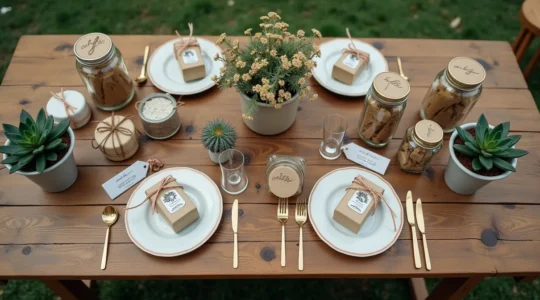
How to Choose Personalized Favors That Don’t End Up in the Trash?
Contrary to popular belief, the key to a successful wedding favor isn’t slapping your names on it—it’s choosing something intentionally consumable or truly functional. Edible favors have the highest take-home rate because they don’t create long-term clutter for guests. Solving…
Read more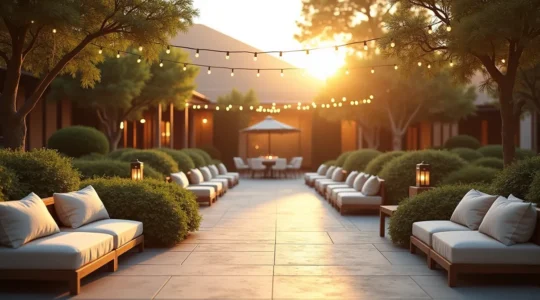
Guest-First Wedding Design: How to Solve Frustrations Before They Happen
A flawless guest experience isn’t about lavish extras, but about proactively eliminating moments of friction and discomfort through thoughtful design. A chaotic arrival sets a negative tone for the entire event due to the psychological Primacy Effect, making first impressions…
Read more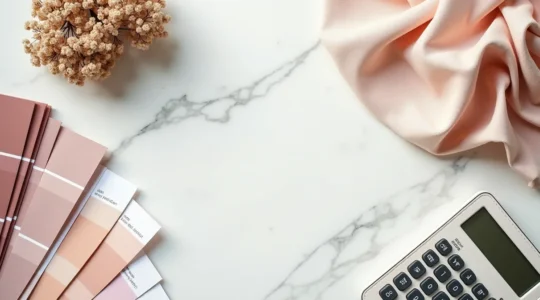
How to Build a Design Roadmap That Prevents Impulse Spending?
In summary: Transform your moodboard into a strict “Design Constitution” to act as a decisive filter against tempting but mismatched decor ideas. Finalize all major design decisions and vendor bookings at least three months before the wedding to lock in…
Read more